Discover Smart Energy Solutions in This Portable Solar Generators Guide
Portable solar generators have revolutionized how we access clean energy on the go. These innovative devices combine solar panels with battery storage systems. They provide reliable power without noise or emissions. Whether you’re camping, working remotely, or preparing for emergencies, these units deliver independence from the grid.
Unlike traditional fuel generators, portable solar generators harness the sun’s energy. They store it in rechargeable batteries for later use. This technology has advanced significantly in recent years. Modern units now offer impressive capacity and efficiency at competitive prices.
The market for these devices has grown exponentially since 2020. More people recognize the value of sustainable backup power. From weekend adventurers to off-grid homesteaders, users appreciate the versatility. This guide explores everything you need to know about portable solar power solutions.
Reviewed Products
✅ Westinghouse 155Wh (150W Peak) Watt Portable Solar Generator, Lithium Battery
✅ Jackery 167Wh 100W(Peak 150W) Portable Solar Generator Explorer 160, Lithium Battery
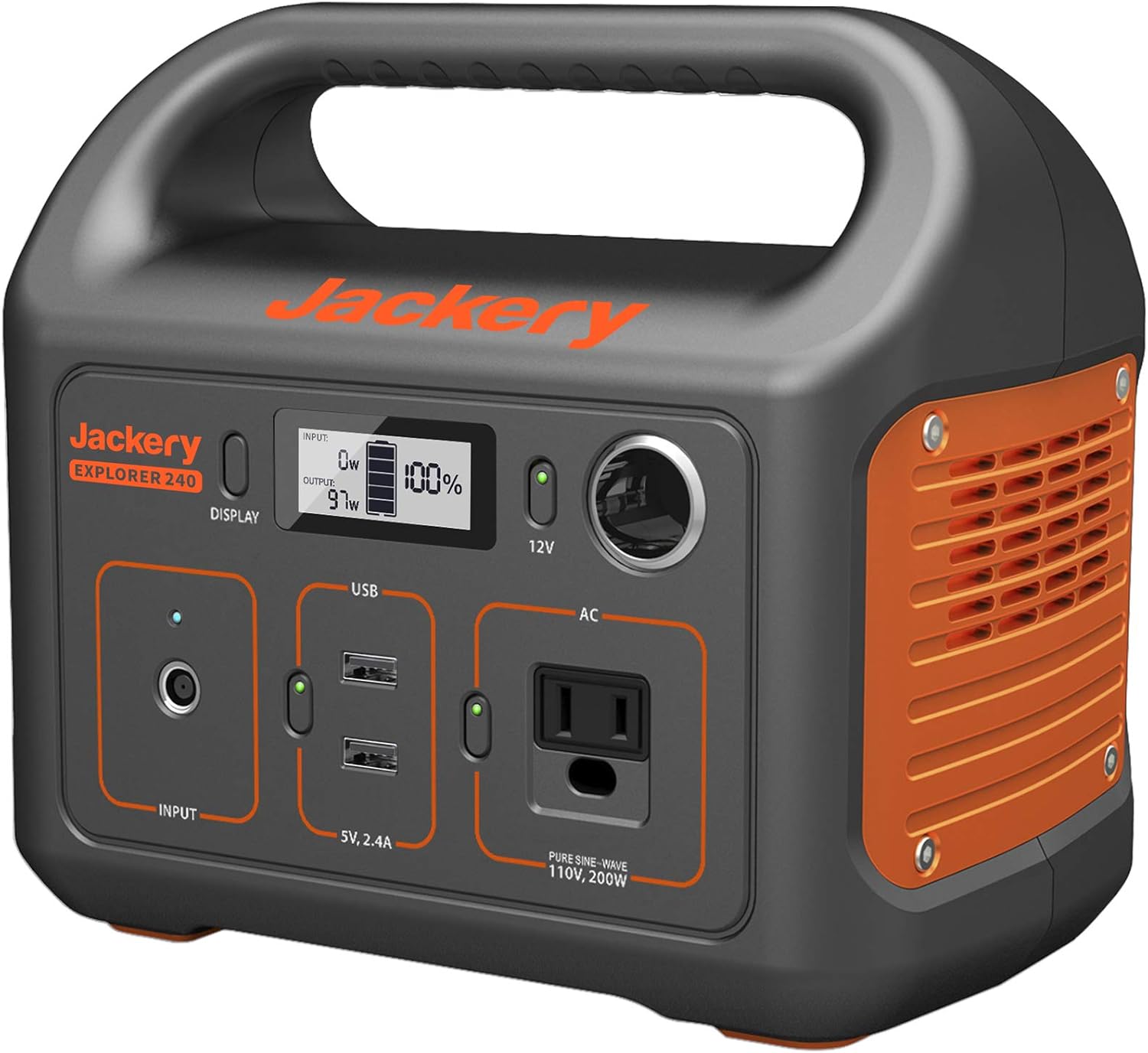
✅ Jackery 200W 240Wh Portable Solar Generator Explorer 240, Lithium Battery, Pure Sine Wave
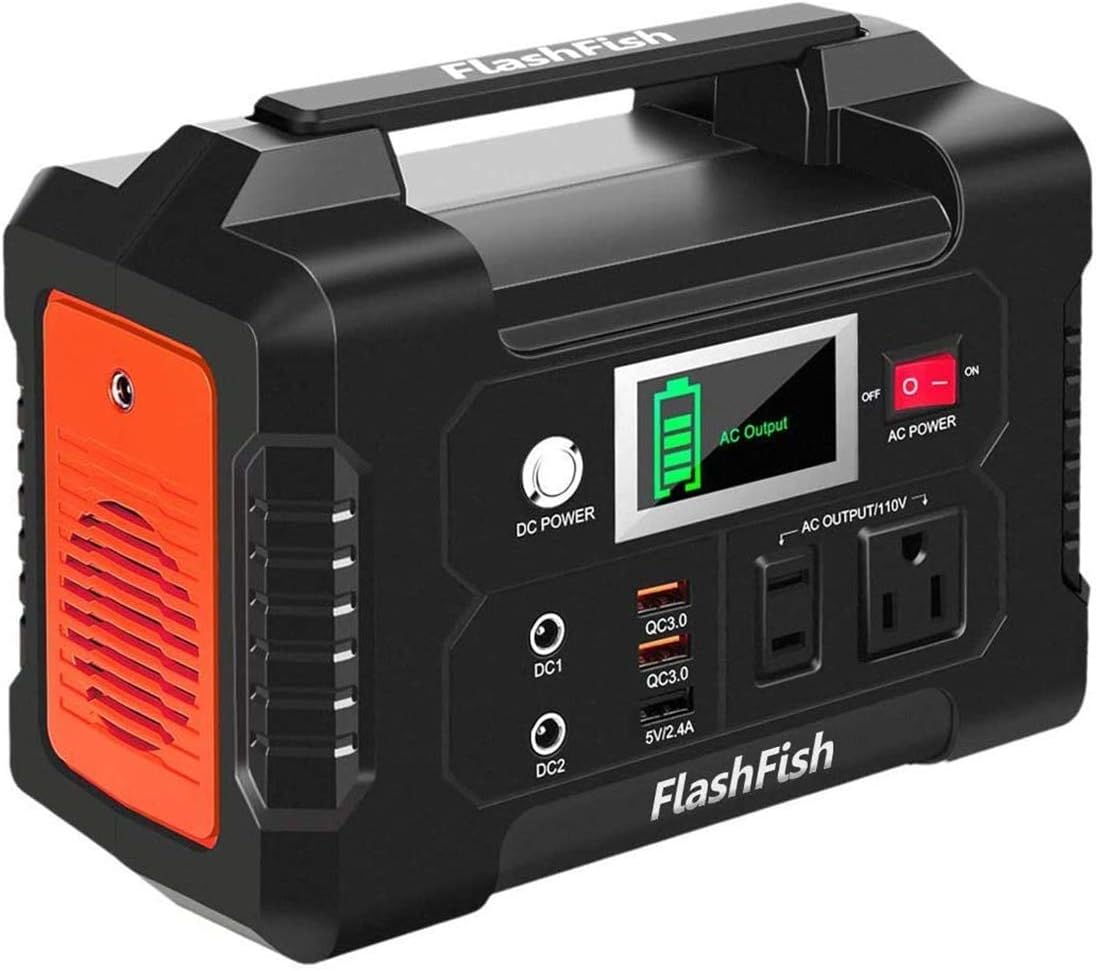
✅ FLASHFISH 200W Portable Solar Generator FF Flashfish 40800mAh Backup Power Battery
✅ BALDR 300W 231Wh Portable Solar Generator with 100W Two-Way Fast Charging
✅ Jackery Explorer 500 v2 512Wh 500W (1000W Peak) Portable Solar Generator, LiFePO4 Battery
✅ BLUETTI EB3A 268Wh 600 W Portable Solar Generator Fast-Charging LiFePO4 Battery
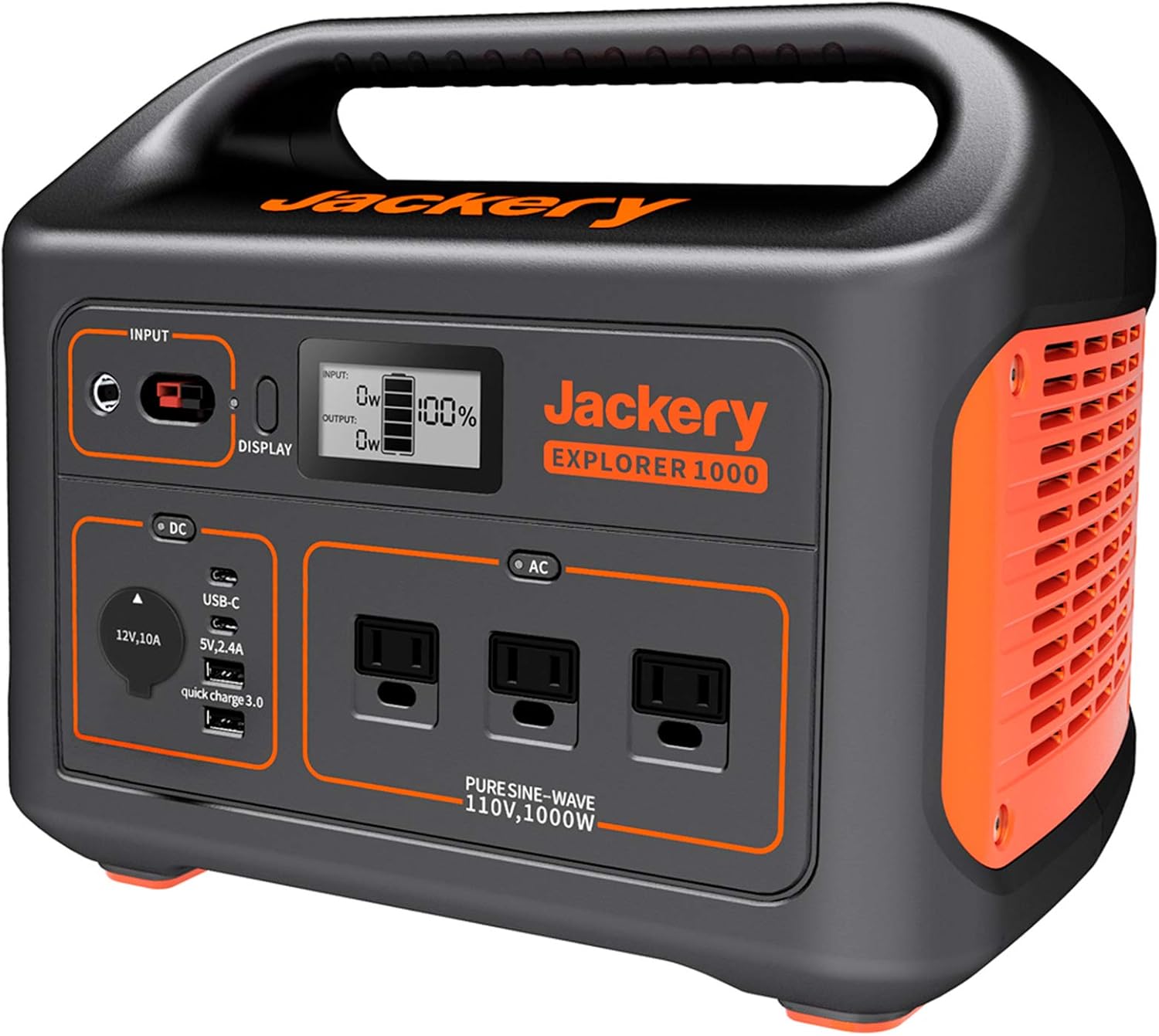
✅ Jackery 1002Wh Explorer 1000 Portable Solar Generator with 3x1000W AC Outlets
How Portable Solar Generators Work
Understanding the mechanics behind these systems helps you make informed decisions. The technology involves several sophisticated components working together seamlessly.
Core Components
Every portable solar generator contains four essential elements:
- Solar panels: Capture sunlight and convert it to DC electricity
- Charge controller: Regulates power flow to protect the battery
- Battery pack: Stores energy for later use (lithium-ion or LiFePO4)
- Inverter: Converts DC battery power to AC for standard devices
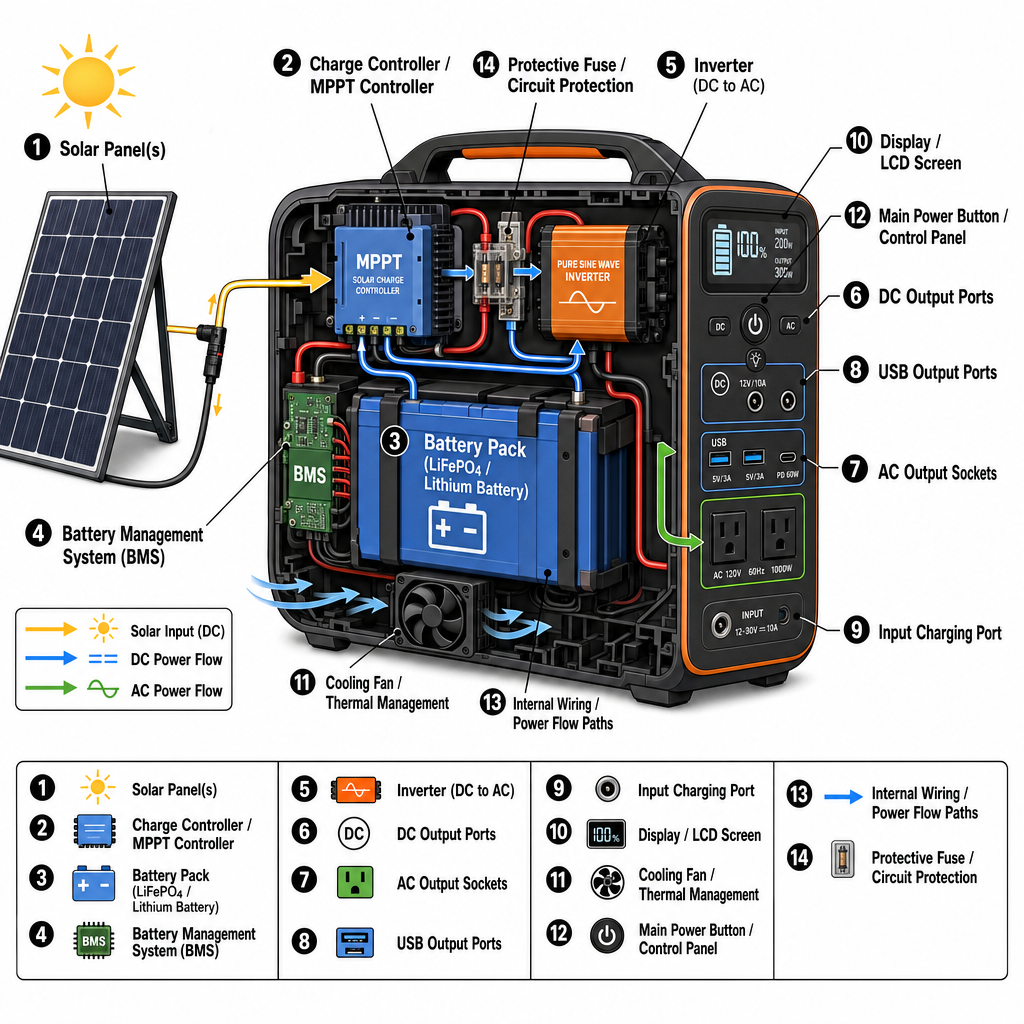
Additional components include output ports, display screens, and safety circuits. These parts work together to create a complete power system. Quality components ensure longevity and reliable performance.
Solar Energy Conversion Process
Solar panels contain photovoltaic cells that generate electricity from sunlight. When photons strike the cells, they knock electrons loose. This creates an electrical current that flows to the charge controller.
The charge controller prevents overcharging and battery damage. It optimizes the charging rate based on battery status. This process maximizes efficiency and extends battery lifespan.
Modern MPPT (Maximum Power Point Tracking) controllers extract maximum power from panels. They adjust voltage and current to optimal levels. This technology increases charging efficiency by 20-30% compared to older PWM controllers.
Battery Storage and Inverter Technology
Lithium-ion batteries dominate the portable solar generator market. They offer high energy density and long cycle life. LiFePO4 (lithium iron phosphate) batteries provide even greater longevity and safety.
The inverter transforms stored DC power into AC electricity. Pure sine wave inverters produce clean power suitable for sensitive electronics. Modified sine wave inverters cost less but may not work with all devices.
Most quality units include pure sine wave inverters as standard. This ensures compatibility with laptops, medical equipment, and power tools.
Types of Portable Solar Generators
Capacity-Based Categories (Small, Medium, Large)
| Category | Capacity Range | Best For | Weight Range |
|---|---|---|---|
| Small | 150-500 Wh | Phones, tablets, cameras, LED lights | 3-10 lbs |
| Medium | 500-1500 Wh | Laptops, mini-fridges, CPAP machines | 10-30 lbs |
| Large | 1500-5000+ Wh | Home backup, power tools, refrigerators | 30-100+ lbs |
Small units prioritize portability for day trips and personal electronics. Medium-sized generators balance capacity with mobility for extended outings. Large systems provide substantial power for home backup or basecamp operations.
Expandable vs. All-in-One Systems
All-in-one units integrate everything in a single package. They’re ready to use straight from the box. These systems offer simplicity and convenience for most users.
Expandable systems allow you to add extra battery modules. This increases capacity without replacing the entire unit. Advanced users appreciate this flexibility for growing power needs.
Some brands offer modular designs with stackable battery packs. You can start small and expand later. This approach spreads out the investment over time.
Hybrid Models with Multiple Input Sources
Modern portable solar generators accept power from various sources. Solar panels provide the primary charging method. Wall outlets offer fast charging at home. Car DC ports enable charging while driving.
Some advanced models accept wind turbine or gas generator input. This hybrid approach ensures power availability in all conditions. Multiple charging options reduce dependence on any single source.
Key Features and Specifications
Battery Capacity and Watt-Hours (Wh)
Watt-hours measure total energy storage capacity. This tells you how long you can run devices. A 1000 Wh unit can theoretically power a 100W device for 10 hours.
Real-world runtime varies due to efficiency losses. Inverter conversion typically wastes 10-15% of stored energy. Always calculate with a safety margin for accurate planning.
Voltage (typically 12V or 24V) paired with amp-hours (Ah) determines total watt-hours. The formula is: Wh = Voltage × Ah. Higher capacity means more power but also more weight.
Power Output (Watts and Surge Capacity)
Continuous power output indicates sustained wattage delivery. This is the key specification for matching devices to generators. Running watts must exceed your combined device requirements.
Surge capacity handles brief power spikes when devices start. Motors and compressors draw 2-3x their running watts initially. A generator with 1000W continuous might handle 2000W surge.
Check both specifications before purchasing. Insufficient surge capacity causes shutdowns even with adequate continuous power.
Charging Options (Solar, AC, DC, Car)
Solar charging speed depends on panel wattage and sunlight quality. A 200W panel takes 5-6 hours to charge a 1000 Wh battery in optimal conditions.
AC wall charging provides the fastest option. Many units fully charge in 1.5-3 hours from standard outlets.
DC car charging works while driving or idling. This option suits RV travelers and road-trippers. Charging rates typically range from 60-120W.
Port Types (AC, USB, DC, Wireless)
AC outlets power standard household devices. Most generators include 1-4 outlets with standard voltage.
USB ports (USB-A, USB-C, PD) charge phones and tablets efficiently. Fast-charging ports deliver up to 100W for laptops.
DC outputs power 12V devices directly without inverter losses. Car fridges and lights run more efficiently on DC.
Wireless charging pads offer convenience for compatible phones. This feature is becoming standard on premium models.
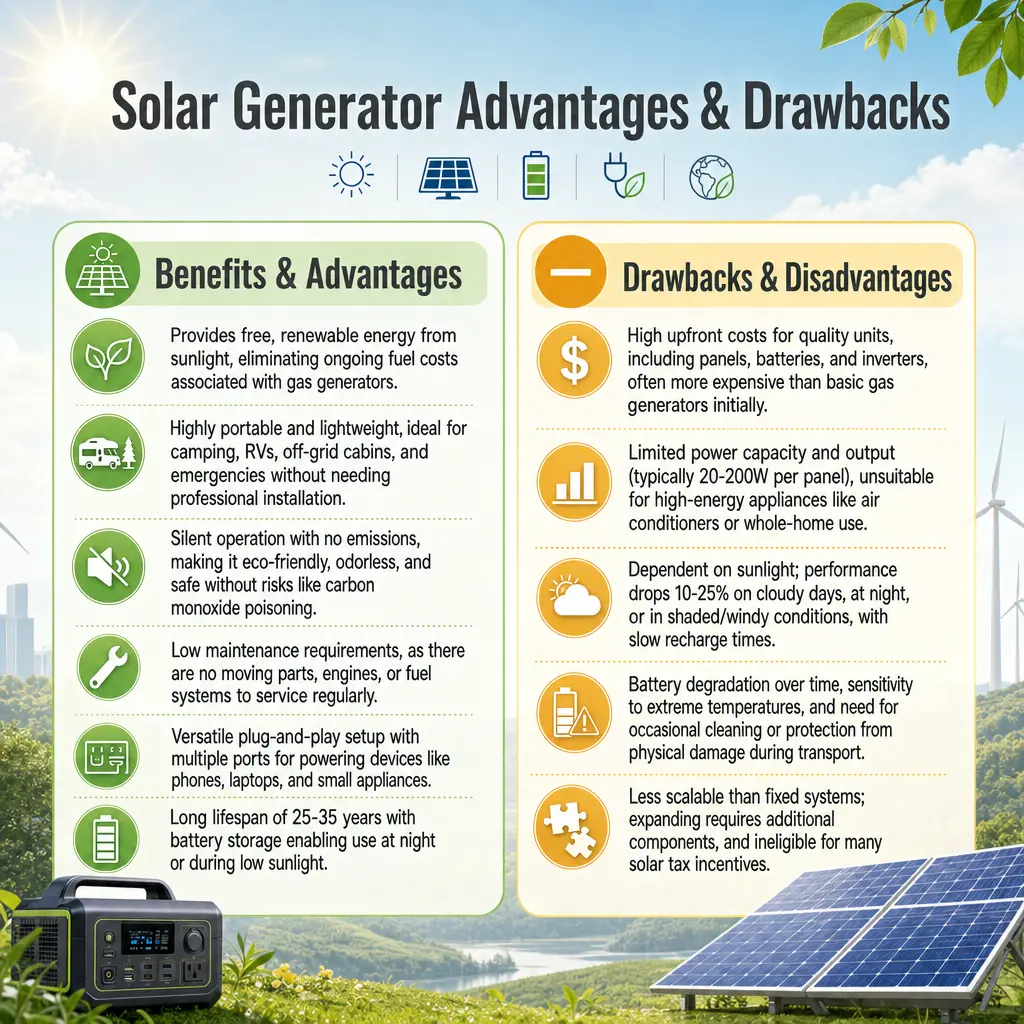
Benefits and Advantages
Portability and Mobility
Unlike fixed solar installations, these units go anywhere. Built-in handles and compact designs facilitate transport. You can move power to where you need it most.
This mobility proves invaluable during emergencies. Power a medical device in one room, then move to another. Take reliable electricity from home to campsite effortlessly.
Many models fit in car trunks or RV storage compartments. The best solar generators portable designs weigh under 50 pounds. This makes them accessible to most users without assistance.
Silent and Emission-Free Operation
Gas generators create noise pollution and exhaust fumes. Portable solar generators operate in complete silence. No engine vibrations or mechanical sounds disturb your peace.
Zero emissions make them safe for indoor use. No carbon monoxide risks exist with battery-powered systems. This safety advantage is crucial during home outages.
Campground neighbors appreciate the quiet alternative to gas generators. Many parks now ban fuel generators entirely. Solar units comply with all noise and emission regulations.
Cost Savings Over Time
After the initial investment, sunlight provides free fuel. No ongoing costs for gasoline or propane exist. This generates significant savings over the unit’s lifetime.
A typical gas generator consumes $3-5 per hour in fuel. Solar operation costs nothing after purchase. The investment typically pays for itself within 2-5 years of regular use.
Maintenance costs remain minimal compared to engine-based generators. No oil changes, spark plugs, or carburetor cleaning required. Battery replacement every 8-10 years represents the main expense.
Versatility for Various Applications
These devices serve countless purposes across different scenarios. Emergency backup, outdoor recreation, remote work, and off-grid living all benefit.
Professional photographers power equipment in remote locations. Construction workers run tools at sites without electricity. Healthcare providers maintain medical equipment during outages.
The same unit that powers your camping fridge can run your home refrigerator during blackouts. This versatility maximizes your return on investment.
Drawbacks and Limitations
Weather Dependency
Solar charging requires sunlight, which isn’t always available. Cloudy days reduce charging efficiency by 50-80%. Nighttime charging becomes impossible without alternative sources.
Winter months with shorter days limit solar input. Snow covering panels stops charging completely. Users must plan for these seasonal variations.
This limitation explains why hybrid charging matters. AC and DC charging options provide backup when solar fails. Always maintain a full charge before anticipated cloudy periods.
Initial Cost Considerations
Quality portable solar generators require significant upfront investment. Small units start around $300, medium systems cost $800-1500. Large capacity models exceed $2000-$5000.
Solar panels add another $200-800 to total cost. High-quality panels improve efficiency but increase initial expense. Total system cost can feel prohibitive for budget-conscious buyers.
However, financing options and sales help reduce barriers. The long-term fuel savings offset higher initial costs. Consider this a long-term investment rather than an expense.
Runtime and Recharging Constraints
Limited battery capacity restricts continuous operation time. A 1000 Wh unit powers a 100W device for roughly 8-9 hours. Higher wattage devices drain batteries much faster.
Recharging takes several hours even in optimal conditions. This creates downtime between uses without multiple units. Solar charging extends over entire days in poor weather.
Users must carefully manage power consumption. Prioritizing essential devices extends runtime significantly. Understanding these constraints prevents disappointment and enables proper planning.
Weight and Size Trade-Offs
Higher capacity means heavier, bulkier units. A 2000 Wh generator might weigh 50-60 pounds. This weight challenges portability despite having handles or wheels.
Smaller, lighter units sacrifice capacity for easy transport. Balancing these factors requires honest assessment of needs. No single unit excels at both maximum capacity and minimum weight.
Some manufacturers split capacity across multiple smaller modules. This approach improves portability while maintaining total capacity. Consider your physical abilities when selecting unit size.
Best Use Cases and Applications
Emergency Home Backup Power
Power outages strike unexpectedly from storms and grid failures. A portable solar generator keeps essential devices running. Maintain communication, refrigeration, and medical equipment during emergencies.
Unlike gas generators, solar units operate safely indoors. Store them inside and deploy instantly when needed. No fuel storage or outdoor setup time required.
Size your system for critical loads only. Refrigerator, lights, phone charging, and medical devices take priority. A 1500-2000 Wh unit handles most essential home needs.
Camping and Outdoor Adventures
Modern camping increasingly involves electronic devices. Portable solar generators charge phones, cameras, and GPS units. Power electric coolers, lights, and portable fans comfortably.
Extended trips benefit from solar recharging capabilities. Each sunny day replenishes the battery for nightly use. This enables longer adventures without returning home.
Small to medium capacity units suit most camping needs. A 500-1000 Wh system provides ample power for weekend trips. Larger groups or longer stays may require bigger capacity.
RV and Van Life
RV living demands reliable off-grid power solutions. Portable solar generators supplement or replace built-in systems. They provide flexibility for various camping situations.
Solar generators portable models work perfectly in vans and campers. Power laptops for remote work while parked in scenic locations. Run kitchen appliances and entertainment systems comfortably.
Many RVers use multiple units or expandable systems. This provides redundancy and increased total capacity. Roof-mounted solar panels can charge generators during travel.
Off-Grid Living and Remote Work
Remote cabins and tiny homes need reliable electricity. Solar generators provide clean power without utility connections. They enable comfortable living far from infrastructure.
Remote workers require consistent power for computers and internet equipment. A properly sized portable solar generator maintains productivity anywhere. Starlink satellite internet paired with solar creates true location independence.
Large capacity systems (2000+ Wh) suit full-time off-grid use. Expandable batteries accommodate growing power needs. Multiple generators provide redundancy for critical applications.
Events and Tailgating
Outdoor events need temporary power without noise or fumes. Portable solar generators power sound systems, lighting, and food equipment. They’re perfect for weddings, festivals, and markets.
Tailgating parties benefit from portable electricity. Power TVs, blenders, and cooking appliances at parking lot gatherings. No generator noise annoys neighboring fans.
Event organizers appreciate the professional, clean appearance. Solar systems look modern compared to dirty gas generators. They also eliminate fuel management and fire hazards.
Choosing the Right Portable Solar Generator
Assessing Your Power Needs (Wattage Audit)
Start by listing all devices you want to power simultaneously. Record each device’s wattage from labels or manuals. Add these together for your total power requirement.
Don’t forget surge requirements for motor-driven devices. A refrigerator might run at 150W but need 600W to start. Your portable solar generator must handle these peaks.
Consider runtime requirements for realistic capacity sizing. Multiply device wattage by hours of expected use. Add 20% buffer for efficiency losses and safety margin.
Sample Power Calculation
| Device | Watts | Hours | Watt-Hours Needed |
|---|---|---|---|
| Laptop | 65W | 6 hours | 390 Wh |
| LED Lights (3) | 30W | 5 hours | 150 Wh |
| Mini Fridge | 60W | 24 hours (cycling) | 480 Wh |
| Phone Charging (2) | 20W | 3 hours | 60 Wh |
| Total Daily Need | 1080 Wh | ||
| With 20% Buffer | 1296 Wh | ||
This calculation suggests a 1500 Wh generator minimum. This provides comfortable headroom for efficiency losses and unexpected needs.
Capacity vs. Portability Balance
More capacity always means more weight. Determine if you need maximum portability or maximum power. Your primary use case guides this decision.
Frequent travelers prioritize lightweight, smaller units. Stationary backup use permits heavier, high-capacity systems. Some users maintain multiple units for different purposes.
Consider wheeled units if capacity exceeds comfortable carrying weight. Models over 40 pounds benefit significantly from integrated wheels. This feature doesn’t add much cost but improves usability.
Brand Reliability and Warranty
Established brands offer better support and proven reliability. Newer companies may provide less support if issues arise. Research customer reviews and warranty experiences carefully.
Warranty length indicates manufacturer confidence. Premium brands offer 2-5 year warranties on products. Extended warranties on batteries demonstrate quality construction.
Check warranty coverage details thoroughly. Some exclude battery degradation or limit claim methods. Understand what’s covered before purchasing.
Smart Features (Apps, Displays, UPS)
Modern portable solar generators include connectivity features. Smartphone apps monitor battery status and control settings remotely. This convenience enhances user experience significantly.
Display screens show real-time power usage and charging status. Detailed information helps optimize device usage. Some displays include estimated runtime based on current draw.
UPS (Uninterruptible Power Supply) mode provides instant backup. The unit continuously passes through AC power while charging. When grid power fails, it switches instantly without interruption.
Essential Accessories
Compatible Solar Panels
Selecting appropriate panels maximizes your system’s potential. Match panel voltage to your generator’s input specifications. Higher wattage panels charge batteries faster.
Portable folding panels offer convenience and easy storage. Rigid panels provide better efficiency but require more space. Some generators include panels while others require separate purchase.
Consider parallel or series panel configurations for optimal charging. Multiple smaller panels sometimes outperform single large panels. Check your generator’s maximum solar input capacity.
Cables, Adapters, and Connectors
Extra cables enable simultaneous charging from multiple sources. Extension cables reach panels positioned for optimal sun exposure. Quality cables minimize power loss over distance.
Adapters allow connecting various panel brands to your generator. MC4 connectors are industry standard for solar panels. Keep spare connectors for field repairs.
Car charging cables should match your vehicle’s DC output. Some vehicles provide limited DC power that affects charging speed. Verify compatibility before long road trips.
Carrying Cases and Mounts
Protective cases prevent damage during transport and storage. Custom-fit cases provide maximum protection for your investment. Weather-resistant materials protect against moisture and dust.
Mounting brackets secure panels at optimal angles. Adjustable mounts track the sun throughout the day. This increases charging efficiency by 20-30% over flat placement.
Some RV owners install permanent mounting systems. Quick-release brackets allow rapid deployment and stowing. Consider your typical use when choosing mounting solutions.
Expansion Batteries
Additional battery modules multiply your total capacity. These connect directly to compatible generators seamlessly. Expansion maintains portability better than buying a larger single unit.
Verify compatibility before purchasing expansion batteries. Not all generators support modular expansion. Check maximum expansion limits from manufacturers.
Expansion batteries use the same chemistry as primary units. This ensures balanced charging and discharging. Mix-and-match different battery types causes problems.
Setup, Operation, and Maintenance
Initial Unboxing and Charging
New units ship with partial battery charge. Fully charge before first use to calibrate the battery management system. This establishes accurate capacity readings.
Read the manual completely before operating. Each model has specific requirements and recommendations. Understanding controls prevents mistakes and damage.
Test all ports and features when still under initial return period. Ensure everything functions as expected. Contact support immediately if you discover defects.
Safe Usage Guidelines
Never exceed rated output capacity on any single port. Overloading can damage inverters and void warranties. Monitor total load across all active ports.
Maintain adequate ventilation during operation and charging. Heat buildup reduces efficiency and may trigger safety shutoffs. Avoid covering vents or operating in enclosed spaces.
Keep units away from water unless specifically rated waterproof. Most generators are water-resistant, not waterproof. Moisture damage isn’t covered under warranty.
Cleaning and Storage Tips
Clean exterior surfaces with slightly damp cloths. Avoid harsh chemicals that might damage plastic housings. Keep ports free from dust and debris.
Store units with 50-70% charge for optimal battery health. Full or empty storage degrades batteries faster. Check and top up charge every 3-6 months.
Store in temperature-controlled environments when possible. Extreme cold or heat accelerates battery aging. Garages and climate-controlled storage work best.
Troubleshooting Common Issues
If the unit won’t charge, check all cable connections first. Verify solar panels are receiving direct sunlight. Reset the unit by powering completely off.
Unexpected shutdowns usually indicate overload conditions. Reduce connected device wattage and restart. Check for short circuits in your devices.
Reduced runtime suggests battery degradation or calibration issues. Run a complete discharge and recharge cycle. Contact support if capacity remains significantly reduced.
Solar Panels for Portable Generators
Types (Monocrystalline, Foldable, Rigid)
Monocrystalline panels offer highest efficiency at 20-23%. They perform better in low-light conditions than alternatives. Higher cost reflects superior performance characteristics.
Polycrystalline panels cost less with slightly lower efficiency. They provide good value for budget-conscious buyers. Performance differences matter less with adequate panel size.
Foldable panels prioritize portability and quick deployment. Built-in kickstands simplify angle adjustment. They’re ideal for portable solar generator users who move frequently.
Rigid panels mounted permanently provide maximum durability. Glass surfaces resist scratching better than flexible panels. They suit RVs and semi-permanent installations.
Efficiency Ratings and Sizing
Panel efficiency determines power output per square foot. Higher efficiency means more power from smaller panels. This matters when space is limited.
Size panels to fully charge your battery in 4-6 hours. Divide battery capacity by available charging hours. Add 30% for weather and efficiency considerations.
For a 1000 Wh battery, target 200-300W of solar input. This ensures reasonable charging times in typical conditions. Undersized panels lead to frustration and incomplete charging.
Compatibility and Pairing Guide
Check your generator’s maximum input voltage and amperage. Panels must stay within these specifications. Exceeding limits can damage electronics.
Series connections increase voltage while parallel connections increase amperage. Match your configuration to generator requirements. Many controllers accept wide input ranges.
Brand-matched panels guarantee compatibility and optimal performance. Third-party panels work but may require adapters. Verify connections before purchasing off-brand panels.
Cost Analysis and ROI
Pricing Ranges by Capacity
| Capacity | Price Range | Panel Cost | Total Investment |
|---|---|---|---|
| 200-500 Wh | $250-$600 | $100-$200 | $350-$800 |
| 500-1000 Wh | $600-$1200 | $200-$400 | $800-$1600 |
| 1000-2000 Wh | $1200-$2500 | $300-$600 | $1500-$3100 |
| 2000+ Wh | $2500-$6000 | $400-$1000 | $2900-$7000 |
Premium features like LiFePO4 batteries and expandability increase costs. Budget brands offer lower prices with fewer features. Mid-range options balance cost and quality effectively.
Long-Term Savings Calculator
Calculate savings by comparing to gas generator operation. Gas generators consume 0.5-1 gallon per hour at half load. At $4 per gallon, that’s $2-4 hourly operating cost.
Using a generator 50 hours yearly costs $100-200 in fuel alone. Oil, maintenance, and repairs add another $50-100 annually. Over 10 years, operating costs exceed $1500-3000.
Solar generators eliminate all fuel costs after purchase. Minimal maintenance requirements further reduce expenses. The investment typically breaks even within 3-5 years of regular use.
10-Year Comparison
- Gas Generator: $600 purchase + $2000 fuel + $500 maintenance = $3100 total
- Solar Generator: $1500 purchase + $0 fuel + $200 battery replacement = $1700 total
- Savings: $1400 over 10 years (plus environmental benefits)
Safety Considerations
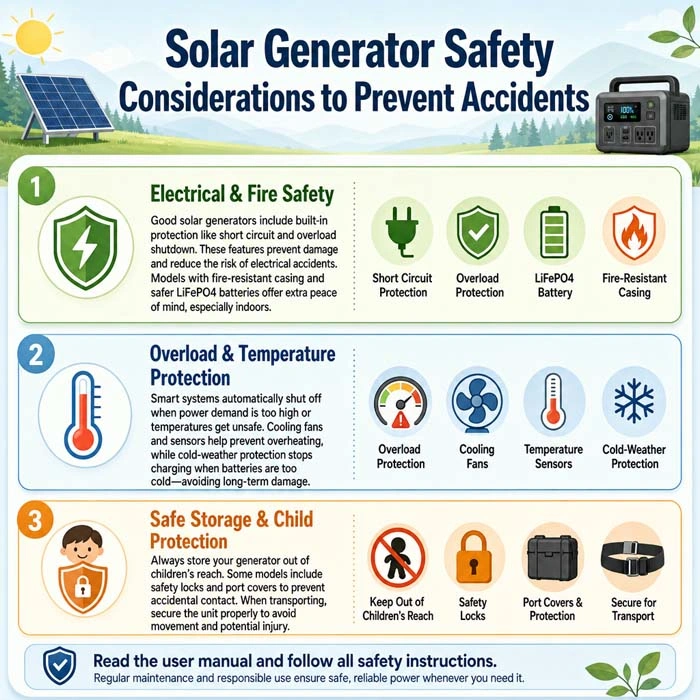
Electrical and Fire Safety Features
Quality portable solar generators include multiple protection systems. Short circuit protection prevents damage from wiring faults. Overload protection shuts down output before damage occurs.
Ground fault protection detects dangerous current leaks. This critical safety feature prevents electric shock. Always verify this protection exists before purchasing.
Fire-resistant casings contain potential battery thermal events. LiFePO4 batteries offer superior fire safety over standard lithium-ion. This consideration matters for indoor storage and use.
Overload and Temperature Protection
Automatic overload shutdown prevents inverter and battery damage. The system cuts power when demand exceeds capacity. This protects your investment from user error.
Temperature sensors monitor battery and inverter heat levels. Cooling fans activate when temperatures rise. Extreme heat triggers shutdown to prevent damage.
Cold weather protection prevents charging below freezing temperatures. Charging cold lithium batteries causes permanent damage. Quality units disable charging until batteries warm sufficiently.
Childproofing and Secure Storage
Store units where children cannot access them unsupervised. While safer than gas generators, electrical hazards still exist. Teach children to respect electrical equipment.
Some models include port covers and safety locks. These features prevent curious fingers from accessing live ports. Consider these features if children frequent your home.
Secure units during transport to prevent shifting and damage. Tie down points help secure generators in vehicles. This prevents injury from movement during travel.
Future Trends in Portable Solar Technology
Advancements in Battery Chemistry
Solid-state batteries promise revolutionary improvements. They offer higher energy density and improved safety. Commercial availability is expected within 3-5 years.
Lithium-iron-phosphate technology continues improving. Newer cells provide 4000-6000 charge cycles. This extends useful lifespan beyond 10 years.
Graphene-enhanced batteries show promise in laboratory testing. They could charge in minutes rather than hours. Real-world applications remain several years away.
Integration with Smart Homes
Future portable solar generators will integrate seamlessly with home automation. Voice control through Alexa and Google Assistant is becoming standard. Remote monitoring from anywhere enables proactive management.
Automatic load prioritization will optimize battery usage. Smart systems will power critical devices first during outages. Machine learning will predict usage patterns for optimal charging.
Vehicle-to-home (V2H) integration will enable electric cars to charge generators. Bidirectional charging creates comprehensive energy ecosystems. This technology is already emerging in 2026.
Higher Efficiency Panels
New panel technologies exceed 25% efficiency in laboratory settings. Perovskite solar cells show particular promise. Production costs continue declining annually.
Bifacial panels capture light from both sides. They increase output by 10-20% over traditional panels. These are becoming more common in portable applications.
Flexible lightweight panels open new possibilities for portable power. They weigh less and pack smaller than rigid alternatives. Durability improvements make them increasingly practical.
Sustainability Innovations
Manufacturers increasingly focus on recyclable materials. Modular designs facilitate repair rather than replacement. This extends product lifespan and reduces waste.
Carbon-neutral manufacturing processes are becoming industry standards. Companies offset production emissions through renewable energy. This reduces the environmental footprint of these products.
Battery recycling programs recover valuable materials from old units. Lithium, cobalt, and other elements get reused. Closed-loop manufacturing reduces mining impacts.
Conclusion and Next Steps
Portable solar generators represent a mature, reliable technology. They provide clean, quiet power wherever you need it. From emergency backup to outdoor adventures, applications are endless.
The right solar generators portable solution depends on your specific needs. Capacity requirements, portability priorities, and budget all influence your choice. Taking time to assess these factors ensures satisfaction.
Start by calculating your actual power requirements accurately. Research brands with strong reputations and good warranties. Read user reviews to understand real-world performance.
Consider starting with a mid-sized unit for versatility. You can always expand capacity or add specialized units later. Many users eventually own multiple generators for different purposes.
Solar technology improvements continue accelerating. Today’s units offer remarkable value compared to just five years ago. Future innovations will only enhance these already impressive devices.
The environmental benefits extend beyond personal use. Every hour running on solar power reduces carbon emissions. You contribute to cleaner air while enjoying practical benefits.
Take action now to secure your portable power independence. Compare models from reputable manufacturers. Watch for seasonal sales that can save 20-30% on quality units.
Investing in a portable solar generator provides peace of mind. You’re prepared for emergencies while enabling new adventures. The combination of practicality and sustainability makes these devices essential modern tools.
Whether you’re a weekend camper or preparing for grid uncertainty, solar generators portable systems deliver. They’ve evolved from niche products to mainstream solutions. Join millions who’ve already discovered the benefits of portable solar power.
Your journey to energy independence starts with a single step. Choose the portable solar generator that matches your lifestyle. Harness the sun’s unlimited power for a brighter, more sustainable future.
[ai_faqs]