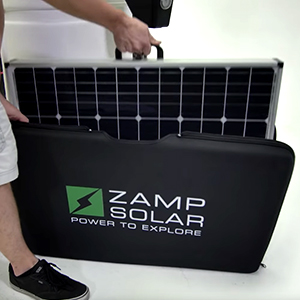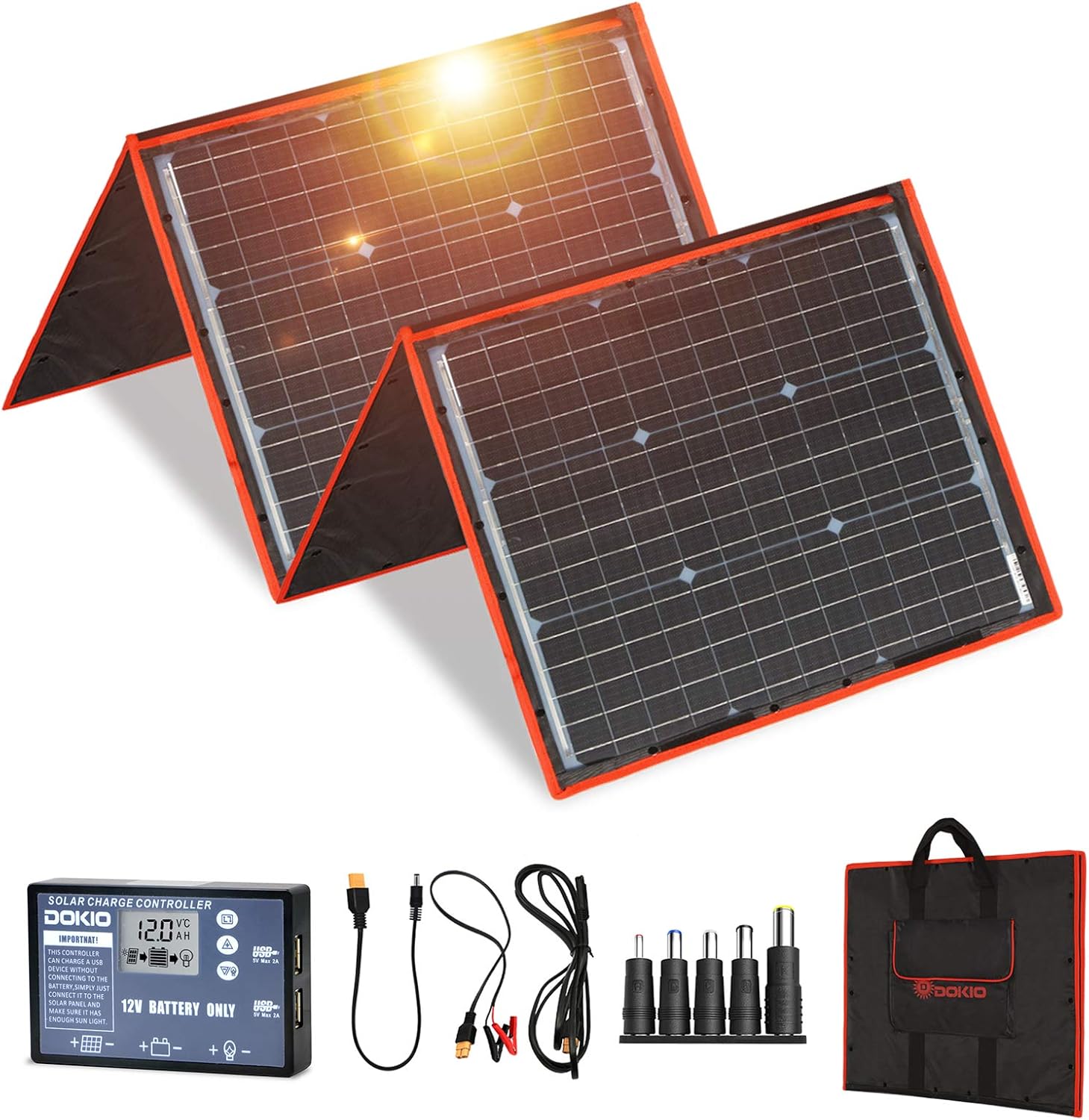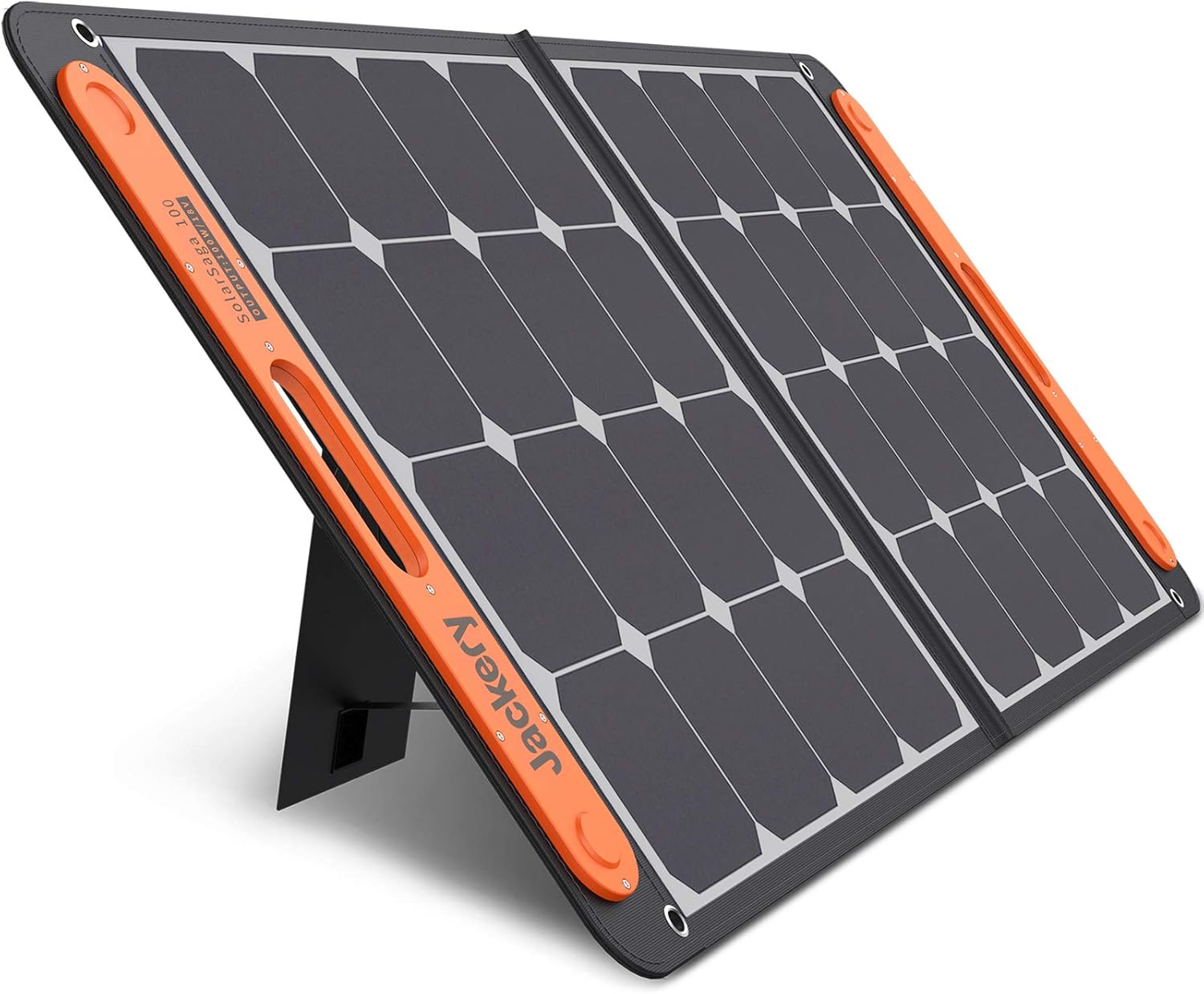
Portable Solar Panels have revolutionized the way we harness clean energy on the go. These compact, mobile power solutions convert sunlight into usable electricity without permanent installation. Unlike traditional rooftop solar systems, portable solar panels fold into convenient carrying cases, making them perfect for outdoor adventures, emergency backup, and off-grid living.
The demand for portable solar technology has surged dramatically in recent years. Outdoor enthusiasts, RV travelers, and emergency-preparedness advocates increasingly recognize the value of independent power generation. Modern portable solar panels deliver impressive efficiency ratings of 22-25%, generating substantial electricity from a relatively small surface area.
Key benefits make these systems attractive to everyday users. They provide clean renewable energy without noise or emissions. Their portability offers unprecedented flexibility compared to fixed installations. Cost savings accumulate over time as sunlight remains free. Most importantly, portable solar panels deliver reliable power wherever adventure takes you.
Reviewed Products
✅ Renogy 50 Watt Portable Solar Panel 12 Volt, Monocrystalline PV Module Power Charger
✅ Renogy 100 Watt Flexible Solar Panel Monocrystalline Bendable Mono Off-Grid Charger
✅ Jackery SolarSaga 100W Bifacial Portable Solar Panel, Foldable Solar Cell Solar Charger
✅ DOKIO 150W Foldable Solar Panel with Standalone Controller & USB, Monocrystalline
✅ ECOFLOW 160 Watt Portable Solar Panel Foldable Waterproof IP68 with Solar Charger
✅ Goal Zero Boulder 200-Watt Monocrystalline Solar Panel Briefcase with Kickstand
Portable Solar Panel: Core Components Explained
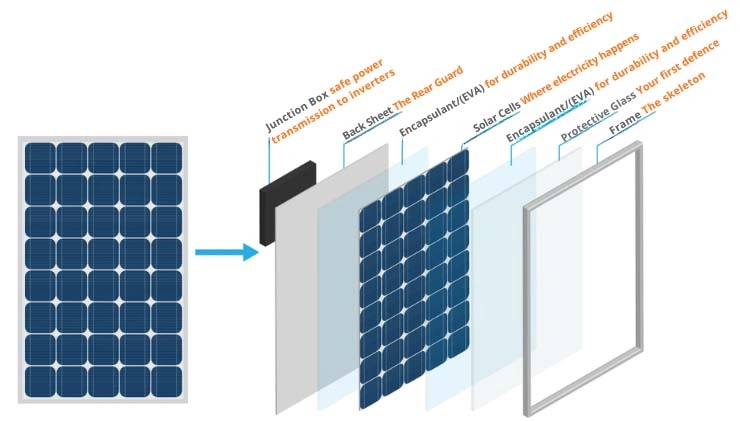
Solar Cells: The Heart of Your Panel
At the core of every solar panel are photovoltaic (PV) cells—these are the superstars that actually convert sunlight into electricity. Most portable panels use monocrystalline silicon cells, which look dark black and offer excellent efficiency (typically 20-23% in modern panels). Think of these cells as tiny power factories: when sunlight hits them, they knock electrons loose from silicon atoms, creating an electrical current.
In portable panels, you’ll often find these cells arranged in a grid pattern. Higher-quality panels may feature half-cut cell technology, where cells are literally cut in half to improve performance and reduce power losses from shading. Some premium models even use advanced PERC (Passivated Emitter and Rear Cell) technology, which adds an extra reflective layer to capture more sunlight.
Protective Glass Cover: Your Panel’s Shield
The top layer of your solar panel is typically made from tempered low-iron glass, usually about 3.2mm thick. This isn’t just any glass—it’s specially designed to let maximum sunlight through (over 93% light transmission) while protecting the delicate cells underneath from hail, rain, and the occasional bump during your camping adventures.
Many modern panels feature an anti-reflective coating that looks like a subtle blue or purple tint. This coating reduces light reflection from about 8% down to less than 2%, which means more sunlight actually reaches your cells. Some portable panels also have textured surfaces that trap light at different angles, squeezing out even more efficiency throughout the day.
Encapsulation Layers: Keeping Everything Safe
Between the glass and cells—and again behind the cells – you’ll find thin layers of encapsulation material. The most common is EVA (Ethylene Vinyl Acetate), though newer panels increasingly use POE (Polyolefin Elastomer). These materials are like protective hugs for your solar cells, keeping out moisture and dust while holding everything firmly in place.
Think of the encapsulation as a waterproof cushion that bonds all the components together during manufacturing. POE is gaining popularity because it resists degradation better than EVA, especially in hot climates, helping your panel maintain its performance for 20+ years.
Backsheet or Rear Glass: The Back Protector
The rear of your portable solar panel needs protection too! Most panels use a polymer backsheet—a multi-layer material that provides electrical insulation and keeps moisture out. Premium portable panels might use a dual-glass design instead, with tempered glass on both sides. These “bifacial” panels can actually capture reflected light from the ground, boosting power output by 10-25% in the right conditions.
Aluminum Frame: The Structural Backbone
The aluminum frame does more than just look sleek—it’s the structural skeleton that holds everything together and protects the edges of your panel. Portable panels use lightweight aluminum alloy (typically 6063-T5) that’s been anodized for corrosion resistance. Many foldable portable panels have hinged frames that let them collapse down for easy transport while still providing solid support when deployed.
The frame also includes mounting points and kickstands on portable models, so you can angle your panel toward the sun for maximum charging power.
Junction Box and Electrical Components
Flip your panel over and you’ll find the junction box—a small weatherproof housing (usually rated IP65 or IP67) attached to the back. This is the brain and nervous system of your panel, containing:
- Bypass diodes: These clever little components prevent power loss when part of your panel is shaded. If a tree casts a shadow on one section, the diodes route electricity around it so the whole panel doesn’t shut down.
- Wiring connections: This is where the power from all your solar cells comes together.
- Output cable: The cable that runs from your panel typically ends in MC4 connectors or brand-specific plugs that connect to your portable power station or charge controller.
Special Features in Portable Panels
Because portable panels are designed for adventure, they often include extra features that rooftop panels don’t need:
- Fabric housing: Foldable panels often use durable, weather-resistant fabric (similar to high-end tent material) with reinforced stitching to protect the panels during transport.
- Built-in kickstands: Adjustable legs let you position your panel at the optimal angle for sun capture.
- Carry handles: Integrated handles or carrying cases make your panel easy to move around camp.
- USB ports: Some portable panels include built-in USB outputs for directly charging phones and small devices without needing a separate power station.
💡 Quick Tip:
Understanding your panel’s construction helps you care for it properly. Always clean the glass surface gently with a soft cloth, avoid folding it when wet, and store it in a dry place. Your solar cells and encapsulation layers will thank you with years of reliable service!
How Portable Solar Panels Work
Basic Solar Photovoltaic (PV) Principles
Portable Solar Panels operate using photovoltaic technology and are a key component of Off-grid/Portable Solar Power solutions. This proven process converts sunlight directly into electrical energy. Each panel contains dozens of photovoltaic cells made from semiconductor materials, typically monocrystalline silicon.
When sunlight strikes these cells, photons excite electrons within the semiconductor material. This creates an electrical current that flows through the cell. The phenomenon is called the photovoltaic effect, discovered over 180 years ago.
Conversion of Sunlight into Usable Electricity
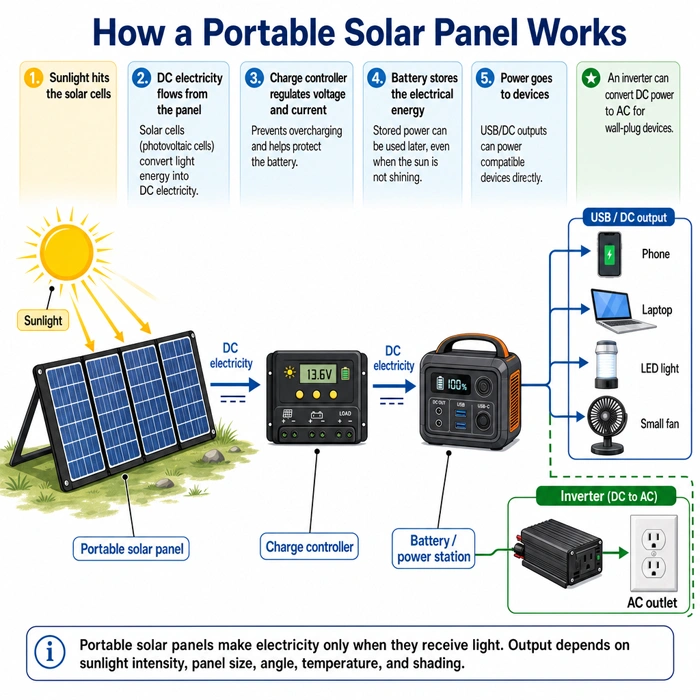
The conversion process follows a clear sequence. Sunlight hits the photovoltaic cells and generates direct current (DC) electricity. This DC power flows from the panel through cables to connected devices. Most Portable Solar Panel systems include built-in connectors for various applications.
Panel efficiency determines how much sunlight converts to electricity. Modern portable panels achieve 22-25% conversion rates. This means approximately one-quarter of solar energy becomes usable electrical power. Higher efficiency panels generate more electricity from the same surface area.
Role of Charge Controllers and Batteries
Charge controllers play a vital protective role in portable solar setups. These devices regulate voltage and current flowing from panels to batteries. They prevent overcharging, which damages battery systems and reduces lifespan.
MPPT (Maximum Power Point Tracking) controllers offer superior performance. They optimize power harvest from solar panels under varying conditions. PWM (Pulse Width Modulation) controllers provide a more budget-friendly option for smaller systems.
Battery storage enables power use when the sun isn’t shining. Lithium-ion and LiFePO4 batteries dominate portable power stations. They store electricity generated during daylight hours. Users can then access this stored energy at night or during cloudy weather.
Types of Portable Solar Panels
Foldable Solar Panels
Foldable panels represent the most popular portable design. These units feature multiple solar sections connected by durable fabric hinges. They fold into compact briefcase-style cases when not in use. Typical weights range from 8-12 pounds per 100 watts.
Built-in kickstands allow easy angle adjustment for optimal sun exposure. Most foldable panels include carrying handles for convenient transport. They balance portability with substantial power output, making them ideal for car camping and RV use.
Rigid Portable Panels
Rigid panels feature aluminum frames and tempered glass surfaces. They offer maximum durability and longest lifespan among portable options. These panels typically weigh 12-16 pounds per 100 watts.
Pre-drilled mounting holes enable semi-permanent installations on RVs, boats, or sheds. Rigid panels deliver the best price-per-watt value. They withstand harsh weather conditions better than foldable alternatives. However, their solid construction makes them less convenient for frequent transport.
Flexible Solar Panels
Flexible panels use thin-film photovoltaic materials on bendable backing. They conform to curved surfaces like boat decks or RV roofs. Weighing just 4-6 pounds per 100 watts, they’re the lightest option available.
CIGS (Copper Indium Gallium Selenide) technology provides good low-light performance. Flexible panels typically achieve 15-18% efficiency, lower than rigid alternatives. They excel in weight-sensitive applications where traditional panels won’t fit.
Solar Panel Kits with Integrated Systems
Complete solar panel kits include all necessary components. Typical packages contain the panel, charge controller, cables, and adapters. Some kits bundle Portable Solar Power Panels with matching portable power stations.
These all-in-one solutions eliminate compatibility concerns. They’re perfect for beginners entering solar power. Manufacturers design kits for specific applications like RV battery charging or emergency backup power.
Key Components of a Portable Solar Setup
Solar Panels
The panel itself captures sunlight and converts it to electricity. Panel size and wattage determine total power generation capacity. Common sizes range from 50W to 400W for portable applications.
Monocrystalline cells deliver the highest efficiency in compact formats. Polycrystalline alternatives offer slightly lower efficiency at reduced cost. Panel quality significantly impacts long-term performance and durability.
Portable Solar Generators
Portable power stations serve as the energy hub for solar setups. These battery-powered units store electricity and convert it to usable AC power. They typically include multiple output ports for various devices.
Capacity ranges from 200Wh for small units to 3000Wh for larger models. Output power determines which appliances you can run simultaneously. Quality inverters ensure clean power suitable for sensitive electronics.
Batteries and Energy Storage
LiFePO4 batteries now dominate the portable power market. They offer 3,000-6,000 charge cycles compared to 500-1,000 for older NMC chemistry. This translates to 8-16 years of daily use for quality systems.
Battery capacity is measured in watt-hours (Wh). A 1,000Wh battery can theoretically power a 100W device for 10 hours. Real-world efficiency typically delivers 80-90% of rated capacity.
Charge Controllers and Inverters
Charge controllers sit between panels and batteries. They regulate charging to protect battery health and maximize lifespan. MPPT controllers extract 20-30% more power than PWM alternatives in most conditions.
Inverters convert DC battery power to AC electricity for household devices. Pure sine wave inverters provide the cleanest power output. They safely operate sensitive equipment like laptops and medical devices.
Cables and Connectors
MC4 connectors serve as the universal standard for solar panels. These weatherproof connectors ensure reliable connections in outdoor environments. Anderson and XT60 connectors appear on various portable power stations.
Cable quality matters for efficiency and safety. Proper gauge wire minimizes power loss over distance. UV-resistant insulation extends cable life in outdoor applications.
Benefits of Portable Solar Panels
Clean and Renewable Energy Source
Portable Solar Panels generate zero emissions during operation. They produce clean electricity without burning fossil fuels. This reduces your carbon footprint while providing reliable power.
Solar energy is infinitely renewable as long as the sun shines. You never run out of fuel or worry about supply disruptions. This sustainability makes solar the responsible choice for environmentally conscious users.
Portability and Convenience
True portability sets these systems apart from fixed installations. You can transport panels wherever power is needed. Set up takes minutes rather than requiring professional installation.
Foldable designs pack into compact sizes for easy storage. Most units fit in vehicle trunks or RV storage compartments. Lightweight construction allows one person to carry and deploy panels easily.
Cost Savings Over Time
Though initial investment is higher than gas generators, operating costs remain minimal. Sunlight is free, eliminating ongoing fuel expenses. Maintenance requirements are nearly nonexistent compared to engine-powered alternatives.
Many users recover their investment within 2-5 years depending on usage. After payback, every watt generated represents pure savings. Federal and state incentives often reduce upfront costs significantly. According to the Department of Energy’s solar tax credit information, substantial savings are available.
Silent Operation
Portable Solar Panel systems operate in virtual silence. No engine noise disturbs peaceful camping sites or residential neighborhoods. This quiet performance is invaluable in noise-sensitive environments.
Gas generators can exceed 70 decibels during operation. Solar systems produce zero noise from panels and minimal sound from inverter fans. This advantage makes them welcome at campgrounds that ban loud generators.
Low Maintenance Requirements
Solar panels contain no moving parts to wear out. Maintenance consists primarily of occasional cleaning. No oil changes, spark plug replacements, or engine tune-ups are required.
Quality panels can last 20-25 years with minimal care. Battery systems require eventual replacement but operate maintenance-free for years. This simplicity saves time and money throughout the system’s lifespan.
Common Use Cases and Applications
Camping and Outdoor Adventures
Portable Solar Panels have become essential camping gear. They keep phones, cameras, and GPS devices charged during extended trips. Lightweight foldable panels easily pack alongside other equipment.
A 100W panel can charge your devices and power LED lighting. Larger 200W systems support portable refrigerators and camp stoves. Solar eliminates the need to return to civilization for recharging.
RV and Van Life
RV travelers increasingly rely on portable solar for boondocking freedom. Panels supplement roof-mounted systems or serve as the primary power source. You can park in shade while positioning panels in direct sunlight.
A typical RV setup uses 200-400W of portable solar capacity. This powers refrigerators, water pumps, lights, and electronics. Freedom to camp off-grid for days without generator noise proves invaluable.
Emergency Backup Power
Power outages happen without warning. Portable Solar Power Panels provide critical electricity when the grid fails. They charge portable power stations that run essential home devices.
Keep refrigerators running to prevent food spoilage during outages. Power medical devices that require continuous electricity. Maintain communications with charged phones and internet equipment. FEMA’s power outage preparedness guide recommends having backup power options.
Off-Grid Living
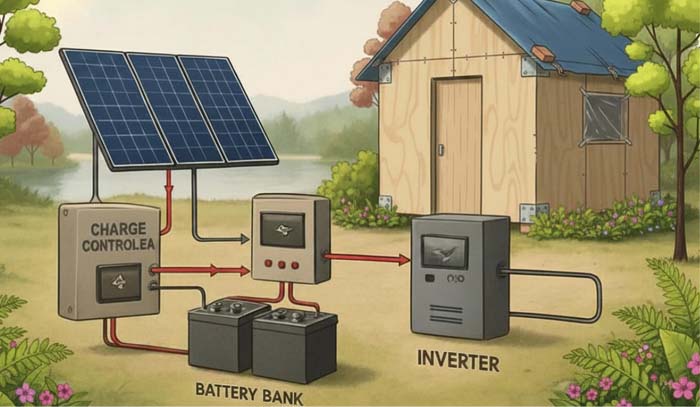
Off-grid homeowners achieve energy independence with portable solar arrays. Multiple panels combine to create substantial power generation capacity. Battery banks store energy for nighttime use.
Portable systems offer flexibility that fixed installations lack. You can reposition panels seasonally for optimal sun angles. Expand your array gradually as energy needs grow.
Marine and Boating Use
Boats present unique solar challenges and opportunities. Flexible panels conform to curved deck surfaces. Portable panels can be removed and secured during rough weather.
Marine solar keeps batteries charged without running noisy engines. Essential electronics, navigation systems, and bilge pumps operate reliably. The salt air demands corrosion-resistant components and connections.
Choosing the Right Portable Solar Panel
Power Output and Wattage Requirements
Calculate your daily energy consumption before selecting panel size. Add up the wattage of devices you’ll power simultaneously. Include runtime hours to determine total watt-hours needed.
A 100W panel generates approximately 400-500Wh per day in good conditions. A 200W panel doubles that output. Remember that real-world production typically reaches 70-85% of rated capacity.
| Panel Size | Typical Daily Output | Best Applications |
|---|---|---|
| 50-60W | 200-250Wh | Phone charging, small devices |
| 100W | 400-500Wh | Camping electronics, lights, small cooler |
| 200W | 800-1,000Wh | Weekend RV trips, portable refrigerators |
| 300-400W | 1,200-2,000Wh | Extended off-grid living, larger appliances |
Efficiency and Performance Ratings
Panel efficiency indicates how much sunlight converts to electricity. Modern Portable Solar Panel technology achieves 22-25% efficiency. Higher efficiency means more power from smaller, lighter panels.
Monocrystalline panels lead in efficiency at 22-24%. They perform well in both bright sun and cloudy conditions. This superior performance justifies their slightly higher cost.
Panel Size and Weight Considerations
Physical dimensions impact portability and storage. Foldable 100W panels typically measure 20-24 inches when folded. 200W models fold to approximately 24-26 inches.
Weight matters when carrying panels any distance. Budget 8-10 pounds per 100W for foldable panels. Flexible panels offer the lightest option at 4-6 pounds per 100W.
Durability and Weather Resistance
IP (Ingress Protection) ratings indicate water and dust resistance. IP65 rating provides protection against rain and dust. IP67 rating withstands temporary water immersion.
ETFE coating on panel surfaces resists scratching and UV damage. This durable lamination extends panel lifespan significantly. Quality frames and hinges withstand repeated folding and transport.
Compatibility with Devices and Systems
Verify connector compatibility before purchasing. MC4 connectors work universally with adapters. Some brands use proprietary connectors limiting compatibility.
Check voltage specifications match your portable power station or charge controller. Most panels output 18-21V for 12V battery systems. Higher voltage panels suit larger systems.
Understanding Power Needs and System Sizing
Calculating Energy Consumption
List all devices you plan to power with your system. Note each device’s wattage and daily runtime hours. Multiply watts times hours to get watt-hours for each device.
Add all device watt-hours together for total daily consumption. Include a 20-30% safety margin for system inefficiencies. This calculation determines minimum battery capacity and panel wattage needed.
Example Calculation:
- LED lights (20W × 4 hours) = 80Wh
- Laptop (50W × 3 hours) = 150Wh
- Portable fridge (40W × 12 hours) = 480Wh
- Phone charging (10W × 2 hours) = 20Wh
- Total: 730Wh per day
Matching Panel Output to Usage Needs
Panel wattage must exceed daily consumption divided by available sun hours. Most locations average 4-6 peak sun hours daily. Account for 80% system efficiency in calculations.
Formula: Required watts = Daily Wh ÷ Peak sun hours ÷ 0.80
For 730Wh daily consumption: 730 ÷ 5 hours ÷ 0.80 = 183W minimum panel capacity. A 200W panel provides comfortable headroom for this scenario.
Battery Capacity Considerations
Battery size depends on energy storage needs between charging cycles. Overnight operation requires battery capacity equal to nighttime consumption. Extended cloudy weather demands larger capacity.
Many users size batteries for 1-2 days of consumption without solar input. This provides buffer against poor weather conditions. For 730Wh daily use, a 1,500-2,000Wh battery offers good reserve capacity.
Peak Sunlight Hours and Location Factors
Peak sun hours vary dramatically by location and season. The southwestern United States averages 6-7 hours in summer. Pacific Northwest locations see only 1-2 hours in winter.
Latitude affects optimal panel angle and seasonal output. High latitudes experience dramatic seasonal variations. Understanding your local solar resource helps size systems appropriately.
Installation and Setup Guide
Step-by-Step Setup Process
Unfold your panel completely and lay it on the ground. Extend the built-in kickstands to desired angle. Face the panel directly toward the sun for maximum output.
Connect the panel cable to your portable power station or charge controller. Many systems display incoming solar power immediately. Verify proper connection before leaving the setup unattended.
Positioning for Maximum Sunlight
Orient panels to face south in the Northern Hemisphere (north in Southern Hemisphere). Adjust angle approximately equal to your latitude for year-round use. Steeper angles work better in winter; shallower angles suit summer.
Eliminate all shade from trees, buildings, or objects. Even partial shading dramatically reduces output. Reposition panels every few hours to track the sun’s movement.
Connecting Panels to Generators or Batteries
Match connector types between panels and power stations. Use manufacturer-supplied cables when possible. Adapters enable connections between different connector standards.
Connect panels in parallel to increase current while maintaining voltage. Series connections boost voltage for systems requiring higher input. Never exceed your charge controller’s maximum input specifications.
Safety Tips During Setup
Panels generate electricity whenever exposed to light. Cover panels before making connections to avoid sparks. Handle cables carefully to prevent short circuits.
Secure panels against wind that could blow them over. Use weights or stakes to anchor lightweight units. Keep all connections dry and protected from weather exposure.
Maintenance and Care Tips
Cleaning and Storage Best Practices
Clean panels monthly with soft cloth and mild soap solution. Remove dust, pollen, and debris that reduce efficiency. Rinse with clean water and dry gently.
Store panels in cool, dry locations when not in use. Always fold panels when completely dry to prevent moisture damage. Original carrying cases provide ideal protection during storage.
Protecting Panels from Damage
Never walk on panels, even flexible models designed for it. Avoid placing heavy objects on panel surfaces. Micro-cracks reduce output over time.
Protect panels from hail when possible by covering or moving them. Inspect regularly for cracks, delamination, or connection damage. Address small issues before they worsen.
Troubleshooting Common Issues
Low output often indicates dirty panels or poor sun angle. Clean thoroughly and adjust positioning. Shade from nearby objects frequently causes reduced power.
No output at all suggests connection problems or damaged cables. Check all connectors are fully seated. Inspect cables for cuts or damage that interrupts power flow.
Extending Lifespan of Equipment
Proper storage extends panel life significantly. Avoid extreme temperatures during storage. Store batteries partially charged (40-60%) for longevity.
Quality panels last 20-25 years with minimal care. Foldable panels typically serve 10-15 years. Regular maintenance and gentle handling maximize equipment lifespan.
Limitations and Challenges
Weather Dependency
Cloudy weather reduces output to 10-25% of rated capacity. Consecutive overcast days limit battery recharging. Winter months with shorter days decrease total energy production. NREL’s solar resource maps show regional sunlight variations.
Rain on panels reduces efficiency temporarily. Snow must be cleared from panels for operation. Extreme weather events can damage panels if not properly secured.
Limited Power Output
Portable Solar Panels can’t match the output of fixed installations. A 200W portable panel generates less than a single rooftop panel. Running high-wattage appliances remains challenging.
Central air conditioning, electric heating, and well pumps exceed typical portable capacity. Multiple panels can increase output but reduce portability advantages.
Charging Time Considerations
Large battery banks take many hours to recharge from solar. A 2,000Wh battery requires 4-5 sun hours with 400W of panels. Unexpected poor weather extends recharge times unpredictably.
Grid charging remains faster for emergency situations. Solar excels for steady daily recharging rather than rapid power restoration.
Initial Investment Cost
Quality portable solar systems require $800-2,000 investment. This upfront cost exceeds gas generator alternatives. Some buyers experience sticker shock despite long-term savings.
Budget options sacrifice efficiency, durability, or both. Investing in quality equipment prevents disappointment and replacement costs. View solar as long-term investment rather than immediate expense.
Latest Innovations and Trends
Advances in Solar Panel Efficiency
N-type cell technology pushes efficiency to 25% and beyond. These advanced cells outperform traditional p-type construction. Bifacial panels capture reflected light from ground surfaces.
Perovskite solar cells promise revolutionary efficiency improvements. They may reach 30%+ efficiency while reducing manufacturing costs. Commercial perovskite panels should arrive within 2-3 years.
Lightweight and Ultra-Portable Designs
New materials reduce panel weight without sacrificing output. Some 100W panels now weigh under 5 pounds. This ultra-light construction appeals to backpackers and bicycle travelers.
Rollable panels offer maximum packability for extreme portability. They trade some efficiency for convenience. Innovations in fabric solar continue improving performance.
Smart Solar Technology and App Integration
Bluetooth-enabled panels connect to smartphone applications. Users monitor real-time production, voltage, and current. Apps optimize charging and alert users to system issues.
Smart power stations adjust charging algorithms based on weather forecasts. They maximize solar harvest efficiency automatically. Remote monitoring provides peace of mind when systems run unattended.
Integration with Portable Solar Generators
Manufacturers increasingly bundle panels with matched power stations. These solar generator kits eliminate compatibility concerns. Optimized pairing extracts maximum performance from both components.
Expandable systems grow as energy needs increase. Add battery modules or additional panels seamlessly. This modularity provides future-proof investment protection.
Cost and Budget Considerations
Price Ranges of Portable Solar Panels
Entry-level 50-100W panels cost $100-300. Mid-range 100-200W models run $250-600. Premium 200-400W panels range $500-1,200.
Complete systems including panels and power stations start around $500. Professional-grade setups reach $2,000-3,000. Price generally correlates with build quality and longevity.
Factors Affecting Cost
Panel efficiency significantly impacts pricing. High-efficiency monocrystalline panels command premium prices. Frame quality and durability add cost but extend lifespan.
Brand reputation influences pricing. Established manufacturers charge more but offer better support. Warranty length reflects manufacturer confidence in durability.
Budget-Friendly Options vs Premium Models
Budget panels sacrifice efficiency, weight, or build quality. They work adequately for light use but may disappoint serious users. Expect 18-20% efficiency and shorter warranties.
Premium models deliver 23-25% efficiency with extended warranties. Superior materials withstand harsh conditions better. Investment pays through reliability and performance over decades.
Return on Investment Over Time
Calculate ROI by dividing initial cost by annual savings. Frequent users typically recover investment within 2-4 years. Occasional users may require 5-7 years for payback.
Free energy generation after payback represents pure profit. Quality systems continue producing for 15-25 years total. Long-term ROI often exceeds 500-1000% of initial investment.
What to Look for When Buying a Portable Solar Panel
Power Output & Capacity
- Match wattage to your needs: 100W for phones/tablets, 200W for laptops/cameras, 300W+ for fridges and multiple devices
- Check efficiency rating: Look for 20%+ efficiency (monocrystalline panels perform best)
Portability & Design
- Weight matters: Foldable panels (10-20 lbs) are easier to transport than rigid ones
- Folded size: Ensure it fits your vehicle or backpack when collapsed
- Built-in kickstands: Essential for angling toward the sun without extra equipment
Durability & Weather Resistance
- IP rating: Look for IP65 or higher for water and dust protection
- Construction quality: Reinforced corners, ETFE coating, and sturdy frames last longer in outdoor conditions
Compatibility & Connections
- Check connector types: MC4 connectors are universal; verify compatibility with your power station or battery
- Voltage output: Must match your device requirements (typically 18-24V for most portable power stations)
Budget & Warranty
- Price range: Expect $150-$300 for quality 100-200W panels; cheaper options often underperform
- Warranty coverage: Minimum 1-year warranty; premium brands offer 2-5 years
Top Brands and Products to Consider
Overview of Leading Manufacturers
Jackery pioneered the portable solar generator category. Their panels feature excellent build quality and efficiency. Integration with Jackery power stations is seamless.
Renogy offers outstanding value in portable panels. Their products balance price and performance effectively. Wide compatibility suits various power station brands.
Bluetti produces high-efficiency panels with competitive pricing. Their modular designs enable system expansion. Strong warranty support backs quality construction.
EcoFlow, Anker, and Goal Zero round out major players. Each brings unique strengths to the market. Research specific models for your application.
What to Look for in Reputable Brands
Seek manufacturers with multi-year track records. Established companies provide better long-term support. Read independent reviews beyond manufacturer claims.
Quality brands publish detailed specifications honestly. They don’t overstate power ratings or efficiency. Transparency indicates confidence in product performance.
Warranty and Customer Support Considerations
Minimum warranty should be 2 years for Portable Solar Panel systems. Premium brands offer 3-5 year coverage or more. Longer warranties indicate superior quality and reliability.
Responsive customer support resolves issues quickly. Test support before purchase by asking questions. Available technical assistance proves invaluable when problems arise.
Safety Considerations
Electrical Safety Tips
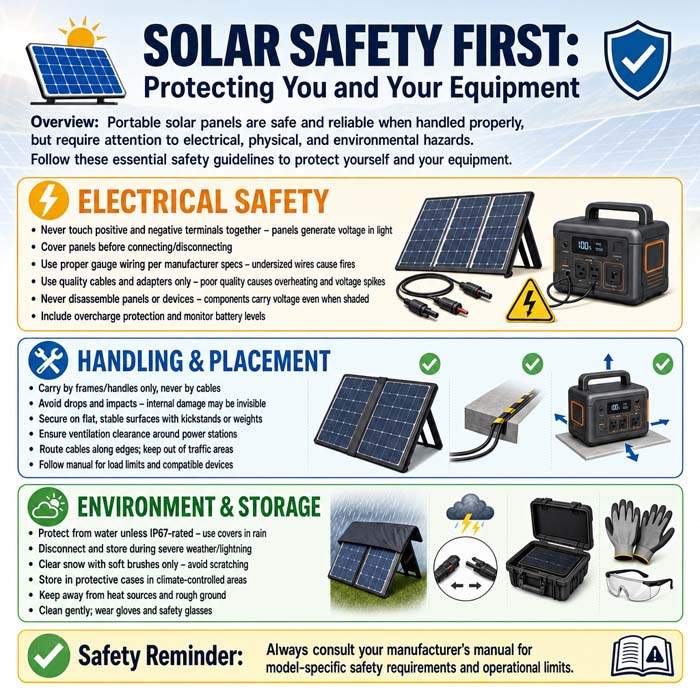
Never short circuit panel outputs by touching positive and negative leads together. Panels generate voltage whenever light hits them. Cover panels before connecting or disconnecting.
Use proper gauge wiring for all connections. Undersized wires overheat and create fire hazards. Follow manufacturer wiring recommendations carefully.
Proper Handling and Usage
Carry panels by frames or handles, not by cables. Yanking on cables damages connections and conductors. Support full panel weight when moving larger units.
Avoid dropping panels or subjecting them to impacts. Internal cell damage may not be immediately visible. Handle with care despite rugged appearance.
Weather-Related Precautions
Secure panels before storms to prevent wind damage. Lightning during thunderstorms poses risks to equipment. Disconnect panels during severe electrical storms.
Clear snow promptly to restore power generation. Use soft brushes only to avoid scratching surfaces. Prevent ice formation by storing panels during winter storms.
Safe Storage and Transportation
Always store panels in their protective cases. This prevents accidental damage during transport. Secure panels to prevent shifting in vehicles.
Keep panels away from heat sources during storage. Extreme temperatures don’t damage quality panels but affect battery systems. Store in climate-controlled environments when possible.
Environmental Impact and Sustainability
Reduction in Carbon Footprint
Each kilowatt-hour from solar prevents approximately 1 pound of CO2 emissions. A 200W panel generating 800Wh daily prevents 600 pounds of CO2 annually. Over 20 years, that’s 12,000 pounds of emissions avoided.
Manufacturing energy investment pays back within 2-3 years. Remaining panel life delivers net positive environmental benefit. This favorable energy balance makes solar truly sustainable.
Eco-Friendly Energy Solutions
Solar energy requires no water for operation unlike thermal power plants. It creates no hazardous waste during use. End-of-life recycling programs reclaim valuable materials.
Distributed solar generation reduces transmission losses from centralized power plants. Generating power where it’s used improves overall grid efficiency.
Role in Sustainable Living
Portable Solar Panel systems enable low-impact outdoor recreation. Remote locations remain pristine without generator noise and fumes. Sustainable camping protects natural environments for future generations.
Off-grid living becomes more accessible with affordable solar technology. Energy independence reduces reliance on fossil fuel infrastructure. Individual actions collectively drive societal change toward sustainability.
Conclusion and Final Thoughts
Key Takeaways
Portable Solar Panels deliver clean, quiet, reliable power wherever needed. They’ve evolved into mature technology offering impressive efficiency. Modern systems combine true portability with substantial power generation.
Initial investment exceeds gas generators but operational costs remain minimal. Long-term economics favor solar decisively. Environmental benefits add value beyond simple dollars and cents.
Understanding your specific power needs guides appropriate system selection. Calculate daily consumption, available sunlight, and budget constraints. Match panel size to realistic usage patterns rather than aspirational goals.
Who Should Consider Portable Solar Panels
Outdoor enthusiasts gain freedom to camp anywhere without power anxiety. RV travelers achieve true boondocking independence from hookups. Off-grid homeowners build sustainable power systems incrementally.
Emergency-preparedness advocates ensure families stay safe during outages. Environmentally conscious consumers reduce carbon footprints practically. Anyone seeking energy independence benefits from portable solar technology.
Future Outlook of Portable Solar Technology
Continued efficiency improvements will boost power output further. Prices will likely decrease as manufacturing scales increase. New battery chemistries will improve energy storage density.
Smart integration with home energy systems will advance. Portable units may eventually provide grid-tied capabilities. The line between portable and fixed systems continues blurring.
Solar technology maturation positions it as mainstream power solution rather than niche alternative. Those adopting portable solar now invest in proven technology with excellent future prospects. The sun’s energy remains free, abundant, and increasingly accessible to all.